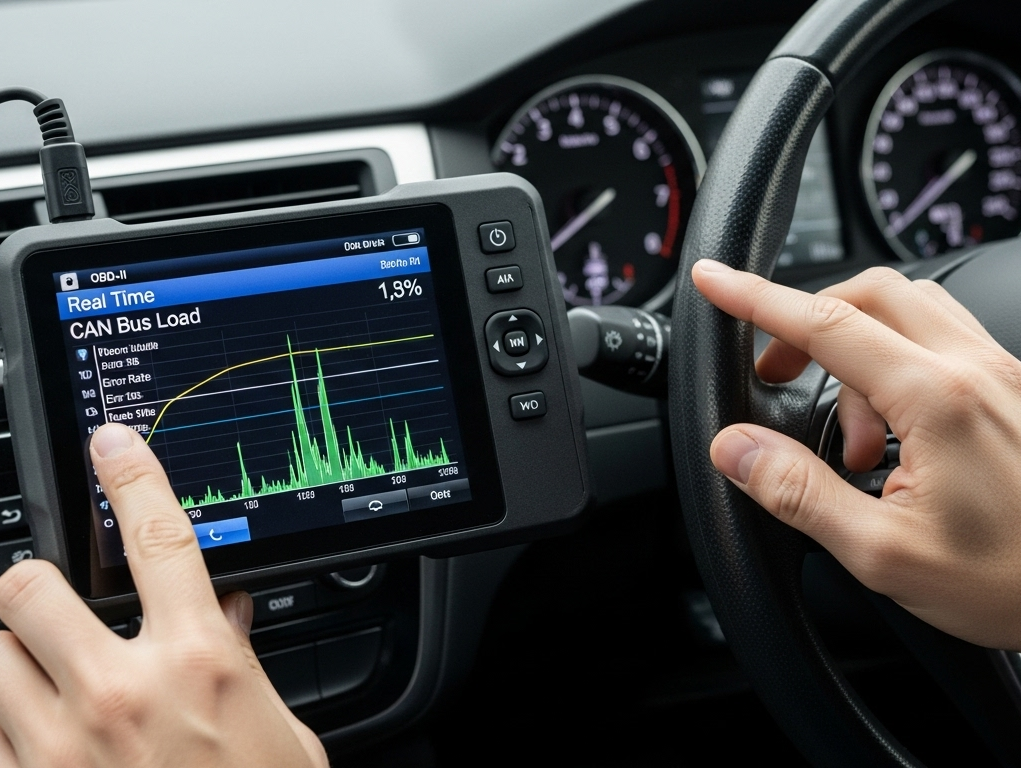
What specific EV systems must a comprehensive electric vehicle scanner be able to access?
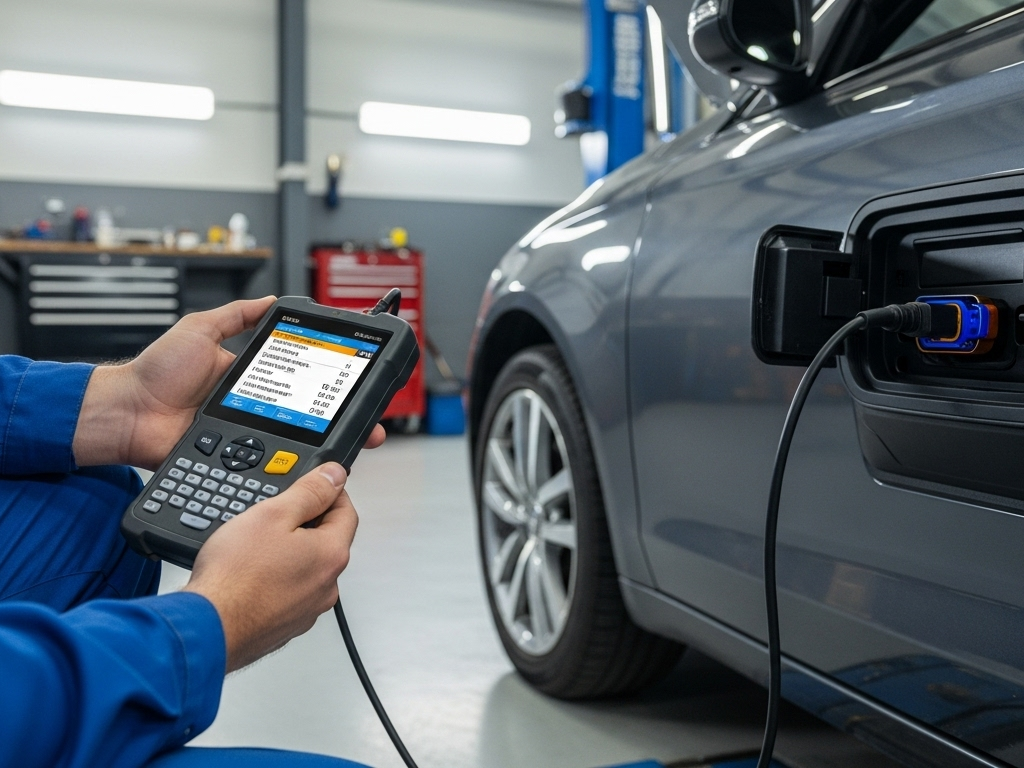
Initiating
Complete surging complication regarding advanced vehicles requires one of the in-depth perception of diagnostic methods, particularly concerning On-Board Diagnostics II (OBD2) and Tire Pressure Monitoring Units (TPMS). Over Europe, Asia, and the US, these solutions execute using discrete frequencies. OBD2 norms are largely synchronized globally, primarily utilizing ISO 9141-50, KWP2000, CAN, and others, but regional implementations can pose minor discrepancies. TPMS, however, is where notable frequency differences appear. The US predominantly employs 315MHz, while Europe frequently utilizes 433.92MHz, and Asia shows a more diverse range including both frequencies and alternative bands. Consequently, precise diagnostic tools must be equipped with the capability to comprehend these countless frequencies to promote effective servicing and maintenance.
Analyzing TPMS Sensor Frequencies: A Global Guide (Europe, North America, Asia)
Learning tire sensing device (TPMS) sensor transmissions within the sphere turns out to be intricate. Commonly, North states mostly utilize 315 MHz, although some newer vehicles utilize 433 MHz. Whereas, Europe and most of Asia chiefly work on the 433 MHz band, with some jurisdictional variations surfacing expressly in select Asian nations. Consequently, pivotal to authenticate the proper frequency leading up to procuring TPMS modules to ensure accordance and evade possible problems.
EV System Scanners: OBD2 Compatibility and TPMS Integration
Current electrified vehicle inspection gadgets are increasingly combining essential functionality, principally related to both standard On-Board Diagnostics II (OBD2) compliance and Tire Pressure Monitoring System (TPMS) linking. Plenty of battery-powered cars utilize OBD2 ports for collecting key system metrics, permitting technicians and caretakers to recognize anticipated glitches. Furthermore, consistent TPMS linking provides accurate tire compression figures, aiding to boosted defense and diesel conservation. This integration of OBD2 connectivity and TPMS service represents a substantial leap in electrified ride troubleshooting.
Tire Pressure Frequency Inequalities: Eurasia vs. American Continent vs. Asia - A Comprehensive Inspection
These platforms responsible for controlling tire inflation—TPMS—operate on individual radio waves, leading to notable regional divergences. US Region predominantly utilizes 315 MHz, though some newer vehicles are moving to 433 MHz. Eurozone mandates 433.92 MHz, a fixed frequency to guarantee conformity across areas. East Asia exhibits a fragmented landscape, with particular areas using 315 MHz, others 433 MHz, and still other territories employing a aggregation of both. This inconsistency creates challenges for repair shops and automobile holders when dealing with replacement TPMS sensors or diagnostic tools, requiring careful checking of regional standards to sidestep conflicts and establish proper serviceability of the TPMS.
Auto Scanners for Battery-Powered Autos: Tire Info Evaluation & Signal Recognition
Up-to-date OBD2 analyzers are steadily advancing to serve energy-based machines, exclusively focusing on wheel pressure monitoring review. Unlike fuel combustion transport units, zero-emission cars present exclusive hurdles when it comes to air pressure management examination. Many electrified automobiles use distinct tyre surveillance systems broadcasts requiring the analyzer to exactly identify the radio wave in use. This potential authorizes experts to merely view tire pressure but also ascertain the particular transmission being sent by the tire monitoring probes, enabling in precise identification of bugs.
Asia TPMS Spectrum: What Require Discover?
Managing the world of vehicle TPMS can be a obstacle, primarily due to the varying ranges utilized across Western Europe, Asia, and the United States. Continental vehicles predominantly use 433.92 MHz, while countless Asian countries employ 315 MHz and 433.92 MHz, creating a challenging situation for installers. In the US, both 315 MHz and 433.92 MHz are ordinary, with 315 MHz being more substantial. Consequently, understanding these regional divergences is critical for accurately attending to TPMS difficulties and selecting the correct programming tools.
Progressing a Groundwork: Car Diagnostics, Electric Rides, and Tire Gauge System Sensor Transmission Identification
Concerning advanced automobile service workers, only learning a key aspects of car scanning, electric automobile mechanisms, but tire surveillance transmitter signal deciphering amounts to an decisive upcoming level. Those branches go through primal approaches, involving unique gadgets in conjunction with expertise in order to appropriately spot or repair challenging obstacles dependent on tire air, energy setup operation, even motor malfunction warnings. As well, correctly recognizing pressure sensor unit broadcasts – commonly alternate within distinct builders combined with generations – sometimes vital in efficient configuration.
EV Auto Assessment: Using OBD2 Scanners to Troubleshoot TPMS
Resolving Tire Pressure Monitoring Systems pressure detection tools in electric vehicles EVs often includes more than plainly visual inspection. Modern OBD2 testers offer significant ability to get TPMS data and spot potential glitches. Utilizing these tools, technicians can interpret fault codes, check sensor status, and even apply sensor analyses, allowing for rapid diagnosis of pressure detection problems and minimizing outage periods. Such is especially important given the increasing complexity of EV platforms.
Managing Tire Pressure Monitoring Systems Signals: A Step-by-step Tutorial for Eurozone, the East, and the US & Canada
Adequately deploying pressure gauges throughout European Region, Eastern Asia, and United States and Canada requires a full awareness of the varying wave channels they implement. Distinct from a even system, the world generally conforms to specific spectrum allocations. Example being Continental Europe primarily utilizes 315 Megahertz and 433 million nine hundred twenty kHz, while North American Region commonly relies on 315 MHz while some newer vehicles would incorporate four-three-three point nine two MHz. Asia displays a more intricate picture, with many bandwidths over-the-air verification operated, depending on the territory and transport maker.
- Check local legislations regarding TPMS frequency.
- Look up your vehicle directory for exact signal.
- Apply a gauge reader able to analyzing many transmissions.